Elsecar transformed from a coal mining village into one of the region's most significant heritage destinations. The former industrial settlement now attracts visitors to explore its preserved workshops, historic steam engine, and independent shops, cafés, and galleries.
The Village the Earls Built
Elsecar's industrial story began in the late eighteenth century when William Wentworth, the 4th Earl Fitzwilliam, directed its development as part of the Wentworth Woodhouse estate. The first deep colliery was sunk between 1794 and 1795. Architect John Carr of York designed miners' cottages and village buildings, creating what historians recognise as one of Britain's first model villages and a precursor to better-known examples such as Saltaire.
The village expanded rapidly. Elsecar Main Colliery opened in 1908 and operated until October 1983, closing just months before the 1984–85 Miners' Strike began. The Fitzwilliam family maintained direct control of the collieries until nationalisation in 1947. At its peak, the village housed ironworks that produced components for bridges across the Thames and as far afield as the Isle de Bourbon, plus iron plate for HMS Warrior.
The Newcomen Engine: A World Treasure
The 1795 Newcomen atmospheric steam engine stands as Elsecar's most remarkable survivor. Built at Elsecar New Colliery on the Earl's instructions, it is the world's oldest steam engine still in its original location and the only Newcomen-style engine anywhere to remain where it was first constructed.
The engine pumped water from the colliery from 1795 until 1923, when electric pumps replaced it. Henry Ford visited in 1928 and attempted to purchase the engine for his American museum; the Earl Fitzwilliam refused. Following a major conservation project completed in autumn 2014, supported by Barnsley Council, the National Lottery Heritage Fund, and Historic England, the engine now operates using hydraulics on open days between Easter and October.
From Workshops to Heritage Centre
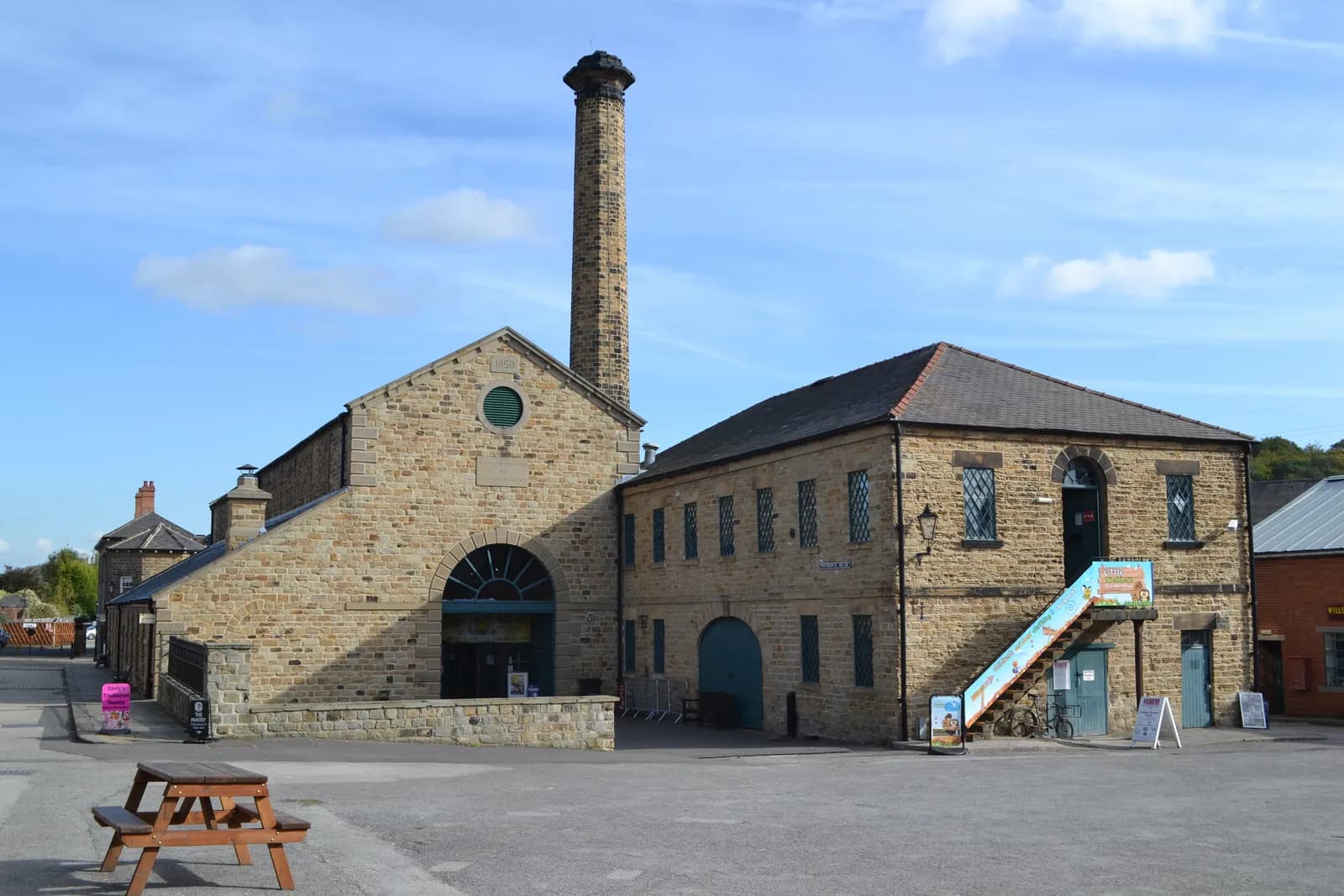
After the Elsecar Workshops were sold by British Coal following the 1983 closure, the village's connection to the coal industry ended. The mid-1990s saw the former colliery workshops repurposed into Elsecar Heritage Centre, operated by Barnsley Museums.
The New Yard workshops, built in 1850 for the Earl Fitzwilliam, originally housed carpenters, engineers, joiners, and blacksmiths who supported the collieries and estate. Today these buildings contain almost forty independent businesses, including the two-floor Antiques Centre with over one hundred traders, Brambles Tea Rooms, Emily's Traditional Sweets, and Maison Du Bière, which stocks more than two hundred varieties of beer and cider.
The Ironworks, which closed in the 1880s, has been transformed into an events venue with capacity for nine hundred standing guests. It hosts antiques fairs, maker markets, concerts, and weddings, though it is unavailable for hire during 2025 due to ongoing renovations.
Recognition and Investment
Historic England designated Elsecar as one of ten Heritage Action Zones in March 2017, providing £6 million in funding. This status created two new Scheduled Ancient Monuments at Hemingfield Colliery and Elsecar Ironworks, and extended conservation areas throughout the village. The Ironworks gained Scheduled Ancient Monument protection in 2018.
Recent developments include a new Visitor Centre that opened in July 2025, plus drainage improvement works begun in October 2025 to modernise and future-proof the site. In January 2026, Barnsley Museums launched a public consultation seeking views on long-term plans for the village.
Beyond the Heritage Centre
Elsecar Park offers a bandstand, children's playground, café, pitch-and-putt golf course, crazy golf, and ornamental terraced gardens. The reservoir serves as a local nature reserve with a bird hide, while fishing rights are leased to Elsecar Colliery Angling Club.
The Dearne and Dove Canal, which opened in 1798, had its upper stretch restored in the 1990s; the towpath now forms part of the Trans Pennine Trail. The Elsecar Heritage Railway operated from 2006 until 2020, when the trust returned the lease to Barnsley Council. Track is being lifted for archaeological investigations, with officials exploring options for a sustainable future.
Planning Your Visit
Elsecar Heritage Centre opens Monday to Sunday from 10am to 4pm. Entry is free, though individual shops maintain their own hours. The village has its own railway station on the Hallam and Penistone lines, with bus connections to Barnsley, Rotherham, and Sheffield.
The Newcomen Engine operates on selected days between Easter and October. Visitors can explore the Visitor Centre's exhibits, films, and interactive displays, including a digital reconstruction of the village as it appeared in 1880.